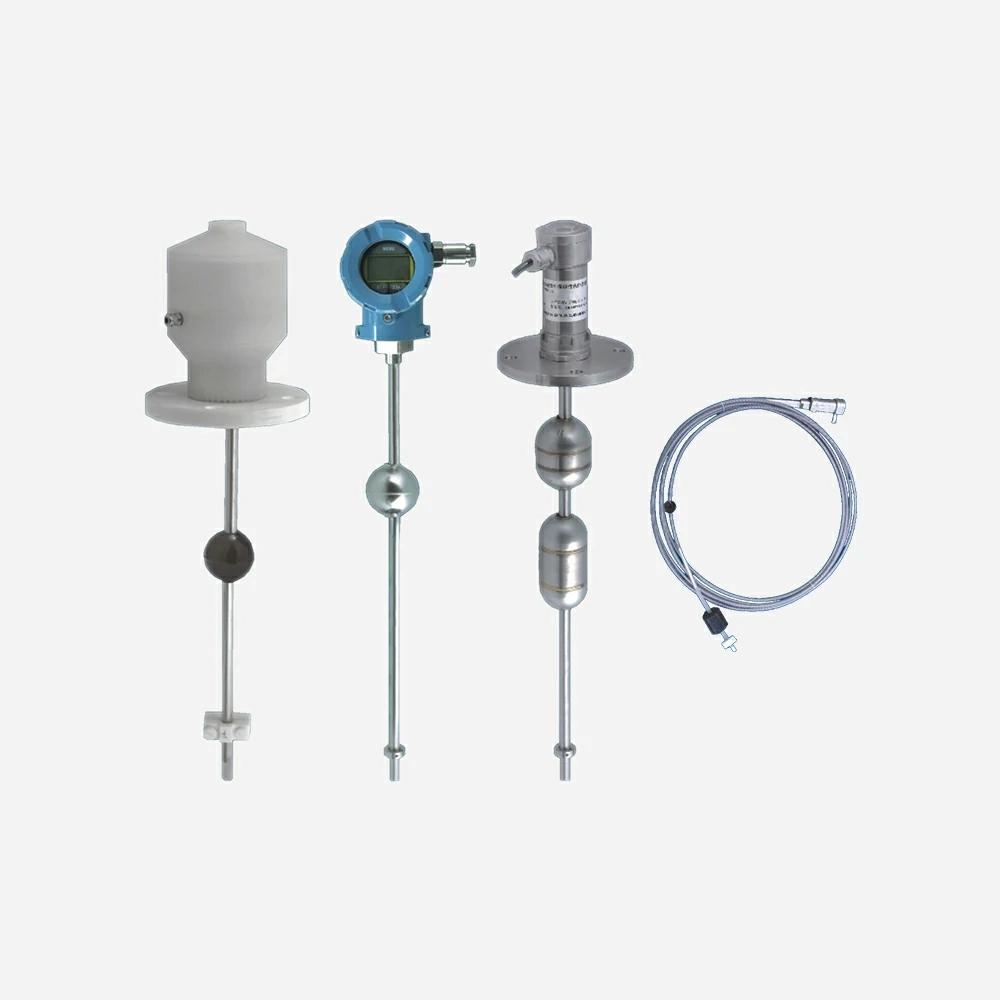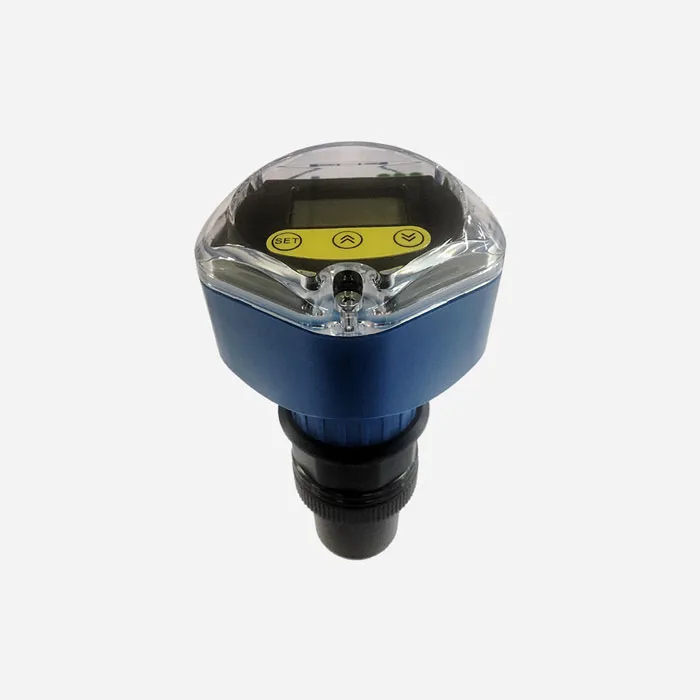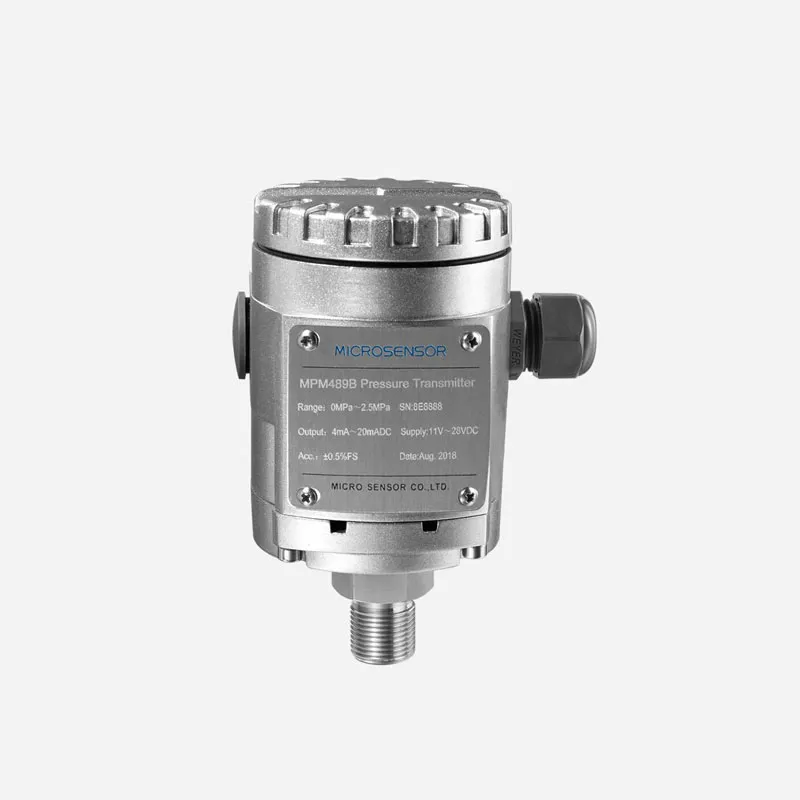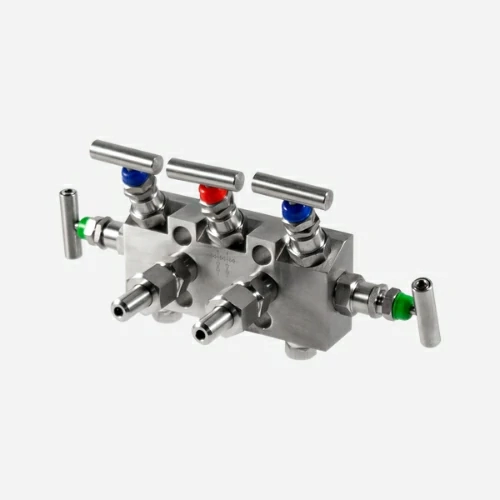
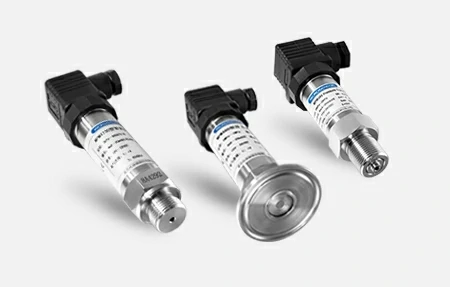
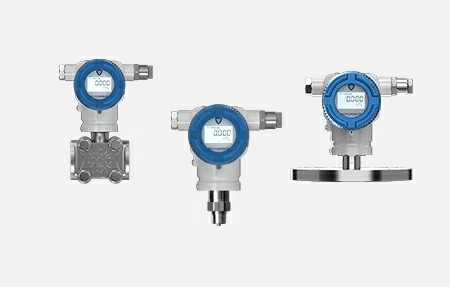










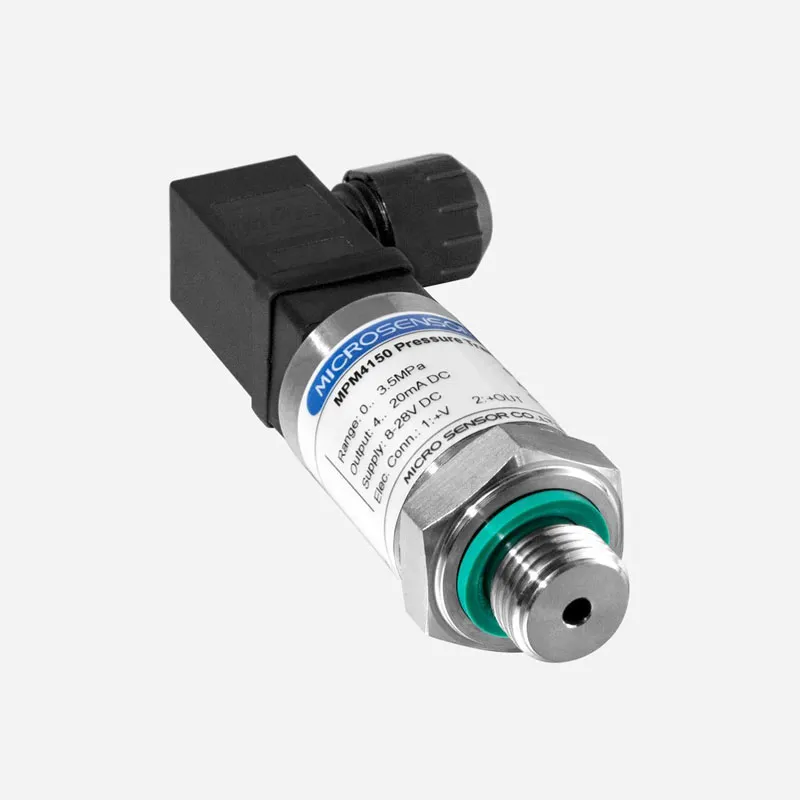
Pressure Transmitter
Range:0~1bar; 0~16bar; 0~35bar
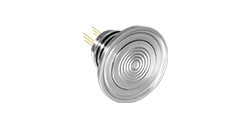
Ceramic Element
Water Pump Application
New Product Change Notice (PCN) effective Jan 1, 2025. MICROSENSOR appreciate your understanding.

MPM5581
Industrial Automation, Fire and Safety Systems, Hydraulic and Pneumatic Systems, Cooling Systems, Monitoring of Machinery and Equipment
Leave a MessageMPM5581
Used For
Industrial Automation, Fire and Safety Systems, Hydraulic and Pneumatic Systems, Cooling Systems, Monitoring of Machinery and Equipment
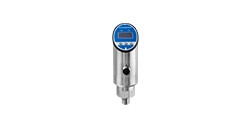
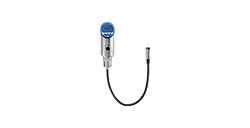
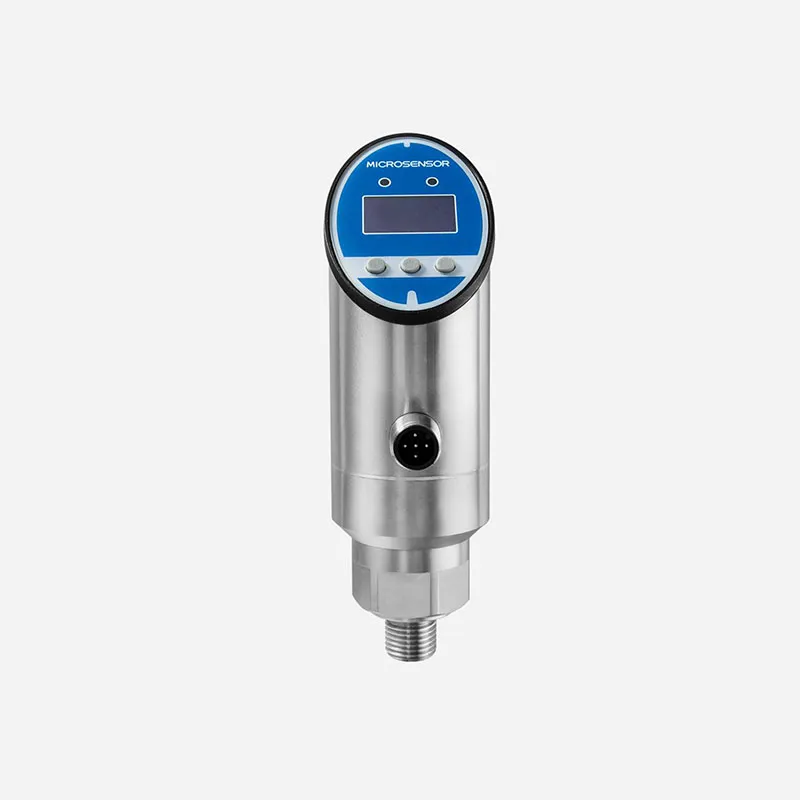
Leave a MessageMPM5581 is a pressure switch that provides different types of output signals for various application scenarios. The liquid pressure switch measuring range is adjustable as 25%~100%FS. The MPM5581 pressure switch offers a wide range of functions, including time delay setting, and range drift setting, as well as features such as zeroing, base point, and peak value display. Its unique design and construction allow for diverse mounting. The product is equipped with a clear and easy-to-read OLED display.
Feature
• Various output configurations available for different applications
• The switch has a delay setting
• Provides manual clearing, base point, and peak display functions
• Display for visualization
Specifications
• Range: (bar) 1, 3.5, 7, 16, 35, 70,100, 250, 400, 600
• Pressure Type: Gauge, Absolute
• Accuracy: ±0.5%FS
• Hysteresis: ±0.2%FS
• Thermal error: ±0.02%FS/°C (Zero/FS)
• Long Time Stability: ±0.3%FS/year
• Outputs: 2 switches+current output: 2×PNP +0mA/4mA~20mADC
Image:
MPM5581 is a pressure switch that provides different types of output signals for various application scenarios. The liquid pressure switch measuring range is adjustable as 25%~100%FS. The MPM5581 pressure switch offers a wide range of functions, including time delay setting, and range drift setting, as well as features such as zeroing, base point, and peak value display. Its unique design and construction allow for diverse mounting. The product is equipped with a clear and easy-to-read OLED display.
Feature
• Various output configurations available for different applications
• The switch has a delay setting
• Provides manual clearing, base point, and peak display functions
• Display for visualization
Specifications
• Range: (bar) 1, 3.5, 7, 16, 35, 70,100, 250, 400, 600
• Pressure Type: Gauge, Absolute
• Accuracy: ±0.5%FS
• Hysteresis: ±0.2%FS
• Thermal error: ±0.02%FS/°C (Zero/FS)
• Long Time Stability: ±0.3%FS/year
• Outputs: 2 switches+current output: 2×PNP +0mA/4mA~20mADC

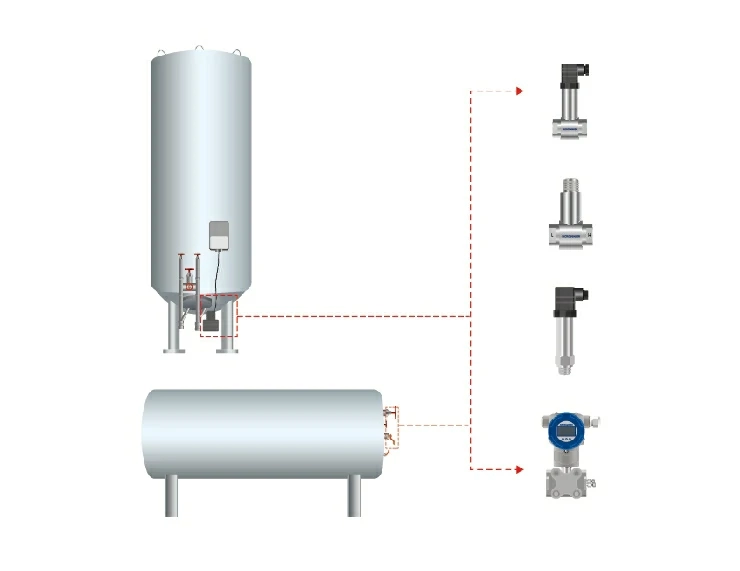
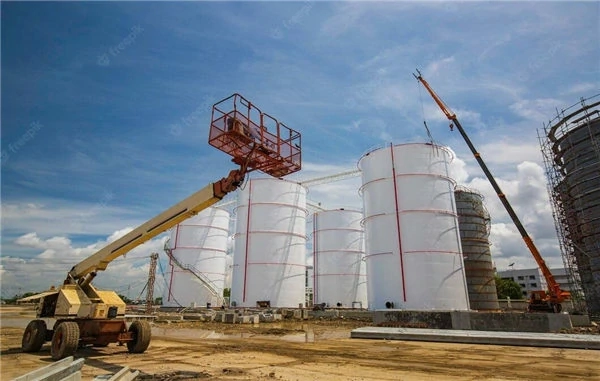
Pressure transmitters are used not only to measure the pressure inside the tank but also to measure the absolute pressure of the tank body and the pressure before and after the cryogenic pump, ensuring the safe operation of the system. Differential pressure measurement is the most common and reliable method for measuring the liquid level of cryogenic high-pressure bulk storage tanks.
more info...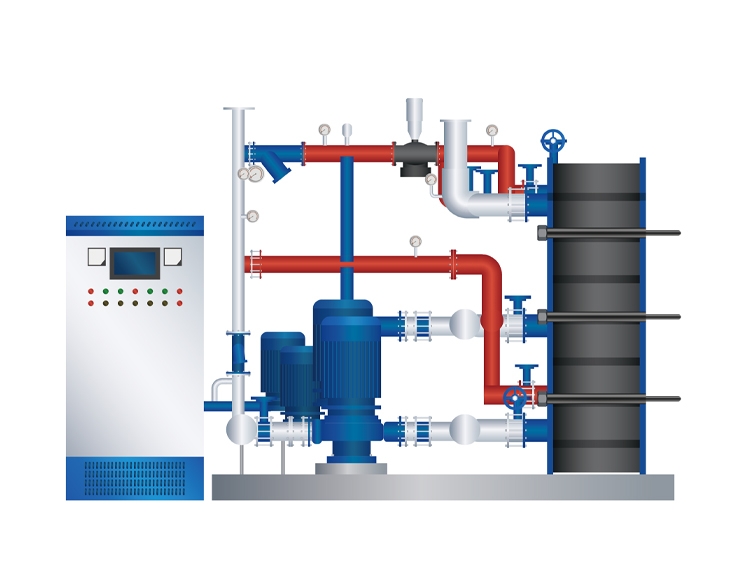
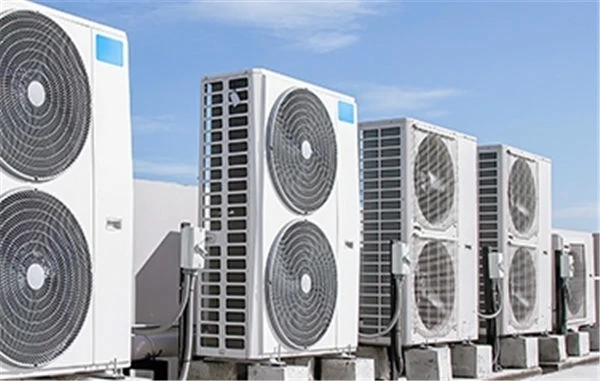
The marine temperature control system uses a refrigerant circulating between the condenser and evaporator to achieve cooling, heating, and dehumidification.
more info...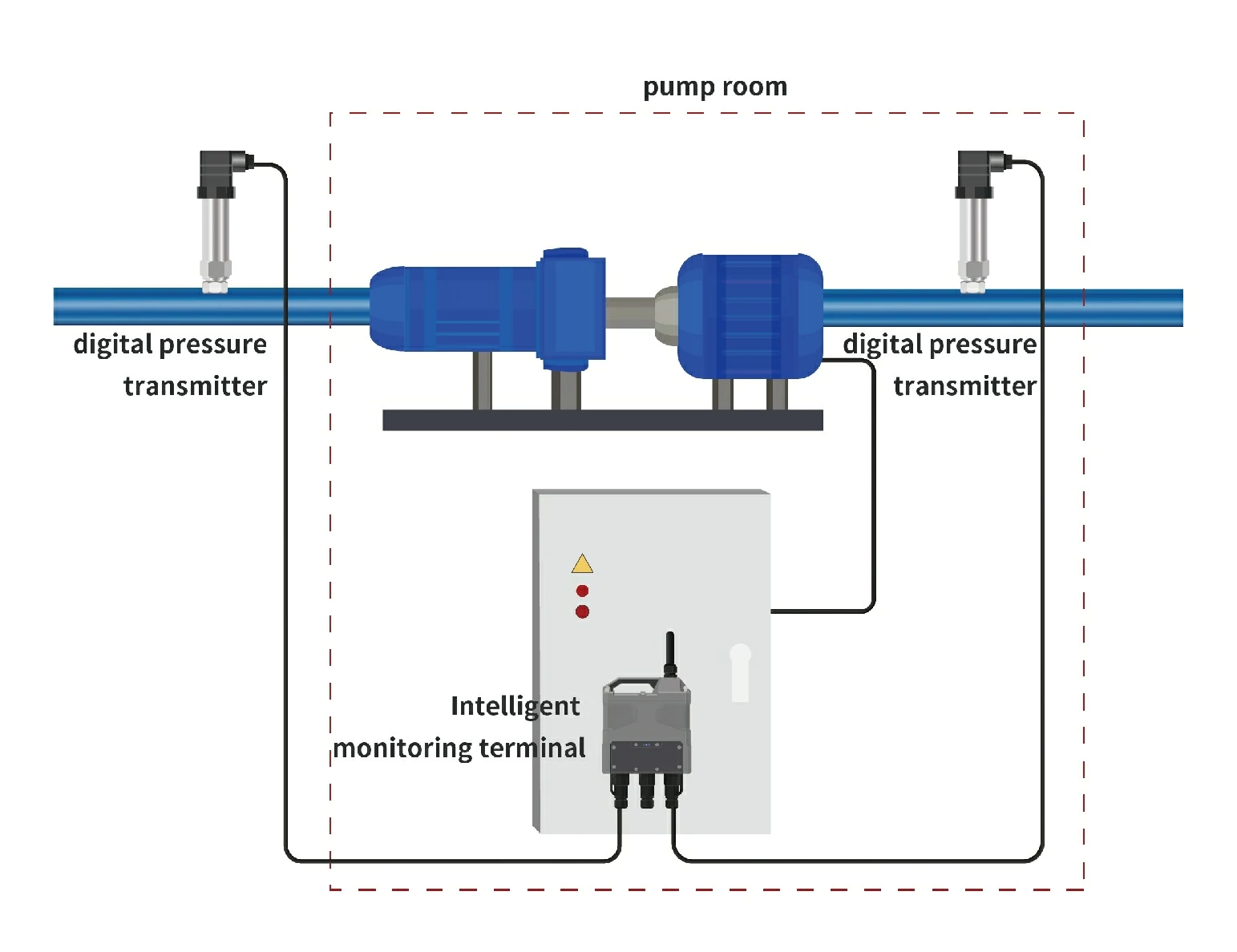
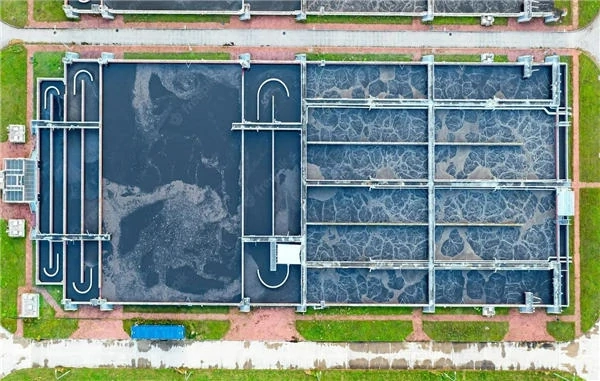
Various monitoring instruments are installed in the water storage tanks, pools, and pipelines of the water supply pump station to monitor the operation of the facilities in real-time. Through advanced cloud computing and big data technology, production data is integrated for timely alarms and early warnings.
more info...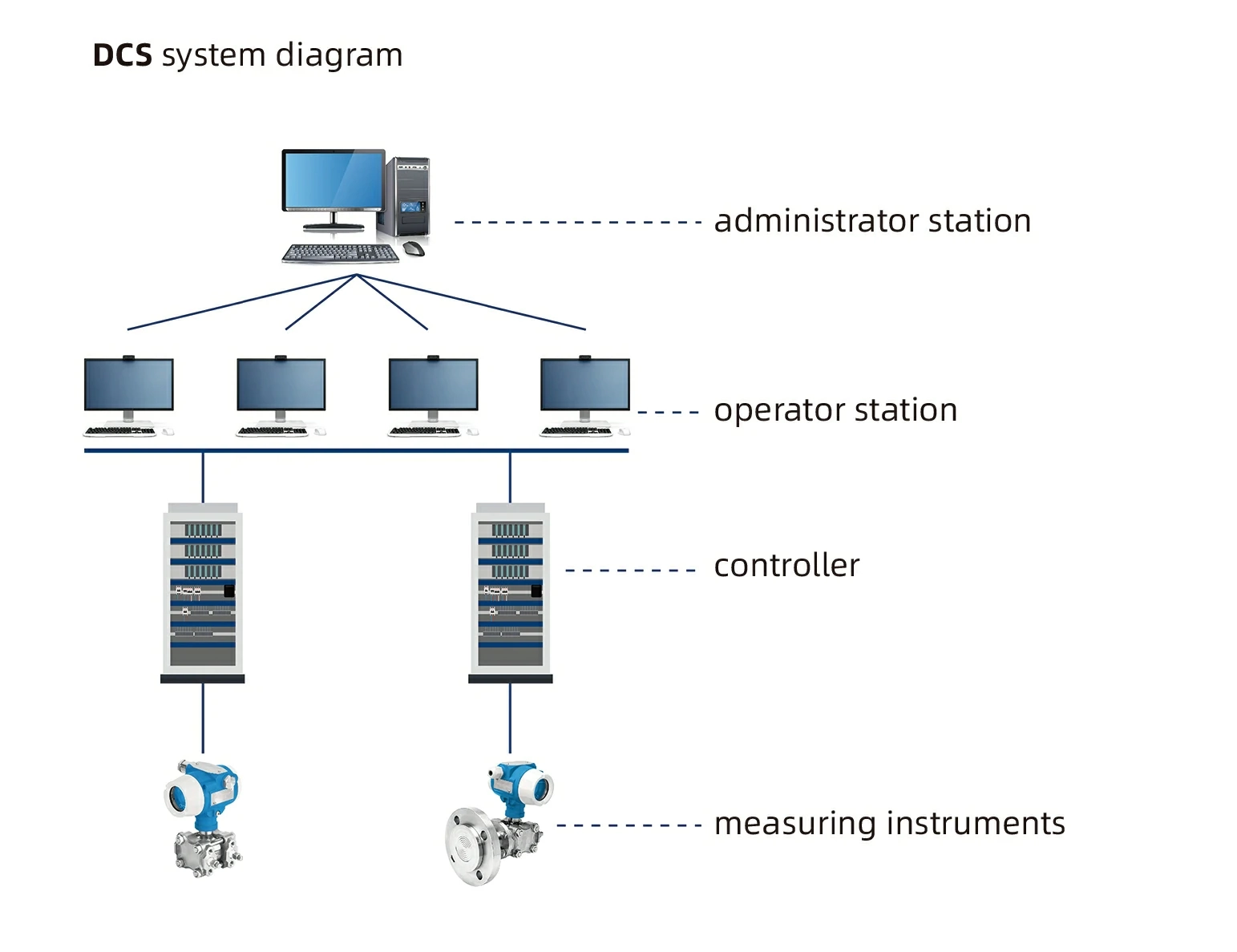
The papermaking process generates large amounts of pulp and chemicals, requiring the use of towers, pools, tanks, and other containers for storage and transportation. Installing intelligent pressure transmitters that can work in conjunction with computer control systems allows for timely monitoring of pressure, differential pressure, and flow information, effectively improving production efficiency and reducing losses.
more info... Copyright © 2026 MICRO SENSOR CO., LTD