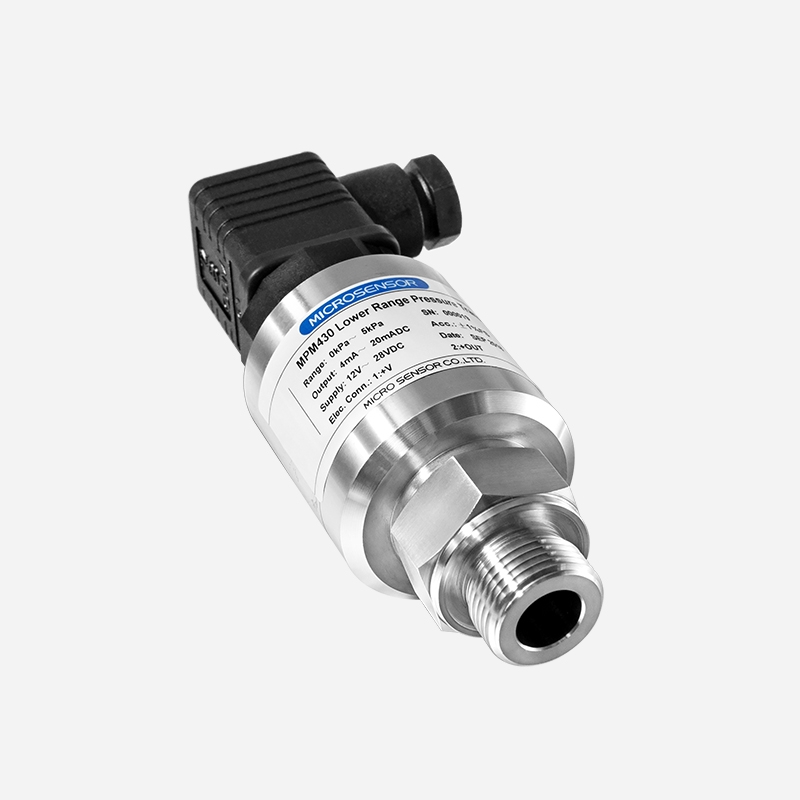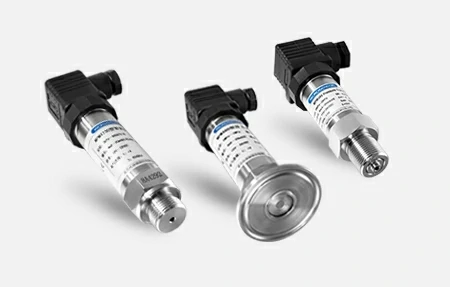
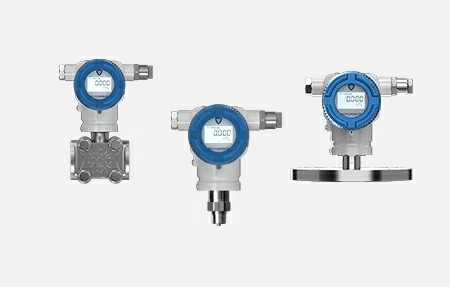
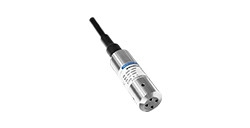
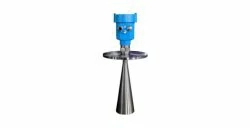
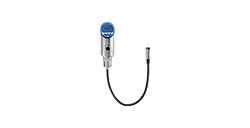
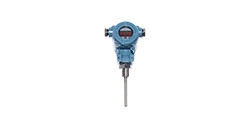





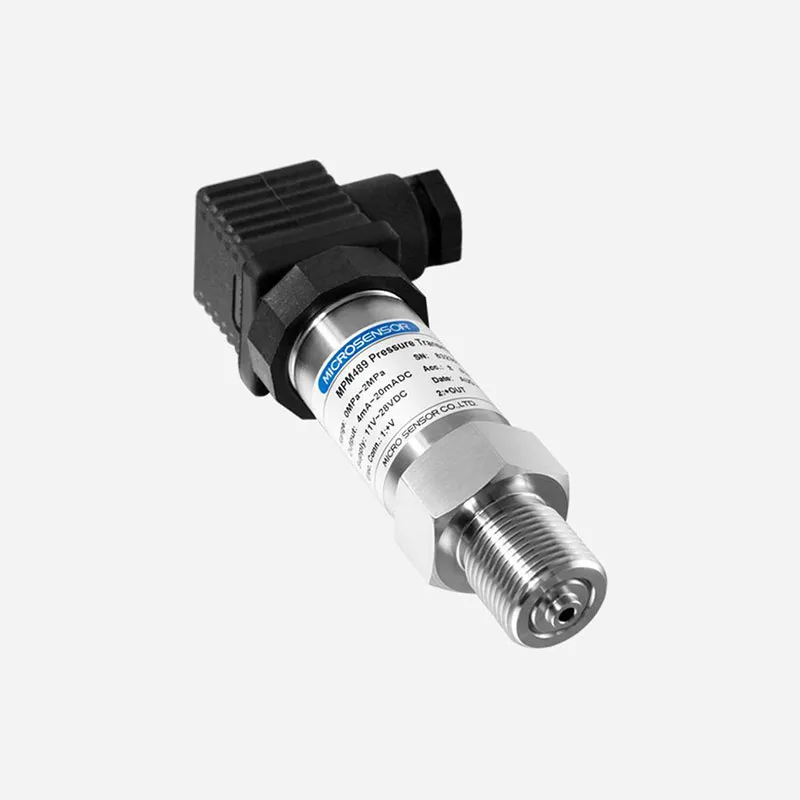
ATEX Pressure Transmitter
-1bar...0mbar~100mbar…1000bar
General / Flush Diaphragm
CE, RoHS, ATEX approved
DNV and ABS certifications for installation on the ship
New Product Change Notice (PCN) effective Jan 1, 2025. MICROSENSOR appreciate your understanding.

MDM490
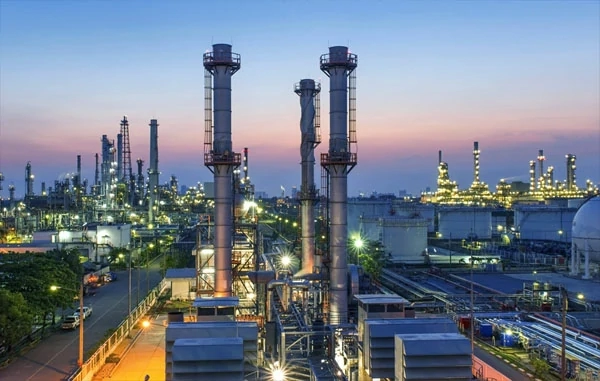
Petroleum industry, Chemical industry, Electricity industry, Hydrology
Leave a MessageMDM490
Used For
Petroleum industry, Chemical industry, Electricity industry, Hydrology
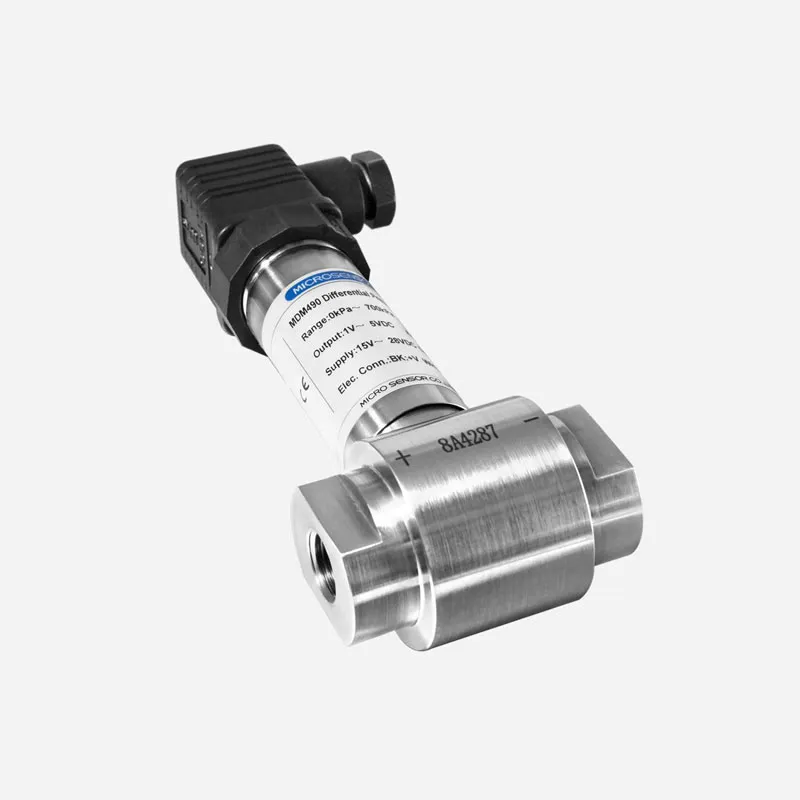
Leave a MessageThe sensing element of MDM490 is a diffused silicon piezoresistive differential pressure sensor with a stainless steel 316L isolation diaphragm. The reliable performance of the DP sensor is due to temperature compensation and aging screening. It enables zero and full scale to be adjusted externally. MDM490 has obtained CE and RoHS certifications.
MDM490 DP transmitter is used for various gas and liquids differential pressure measurements of the pipeline, cylinder, bulk, and micro bulk.
Feature
• Gases & liquids differential pressure measurement
• Small size, easy installation
• Laser welding & All stainless steel sealed structure
• Explosion-proof certified
Specification
• Range: 0mbar~400mbar…35bar
• Overpressure positive pressure: ≤2 times FS, negative pressure is not allowed
• Maximum Static Pressure: ≤200bar
• Pressure Type: differential pressure
• Accuracy: ±0.5%FS
• Application Temperature: -30℃ ~ 80℃
• Output Signal: 4mA~20mA DC, 0mA~10/20mA DC, 0/1V~5V DC, 0V~10V DC
• Power Supply: 15V~28V DC
Image:
The sensing element of MDM490 is a diffused silicon piezoresistive differential pressure sensor with a stainless steel 316L isolation diaphragm. The reliable performance of the DP sensor is due to temperature compensation and aging screening. It enables zero and full scale to be adjusted externally. MDM490 has obtained CE and RoHS certifications.
MDM490 DP transmitter is used for various gas and liquids differential pressure measurements of the pipeline, cylinder, bulk, and micro bulk.
Feature
• Gases & liquids differential pressure measurement
• Small size, easy installation
• Laser welding & All stainless steel sealed structure
• Explosion-proof certified
Specification
• Range: 0mbar~400mbar…35bar
• Overpressure positive pressure: ≤2 times FS, negative pressure is not allowed
• Maximum Static Pressure: ≤200bar
• Pressure Type: differential pressure
• Accuracy: ±0.5%FS
• Application Temperature: -30℃ ~ 80℃
• Output Signal: 4mA~20mA DC, 0mA~10/20mA DC, 0/1V~5V DC, 0V~10V DC
• Power Supply: 15V~28V DC


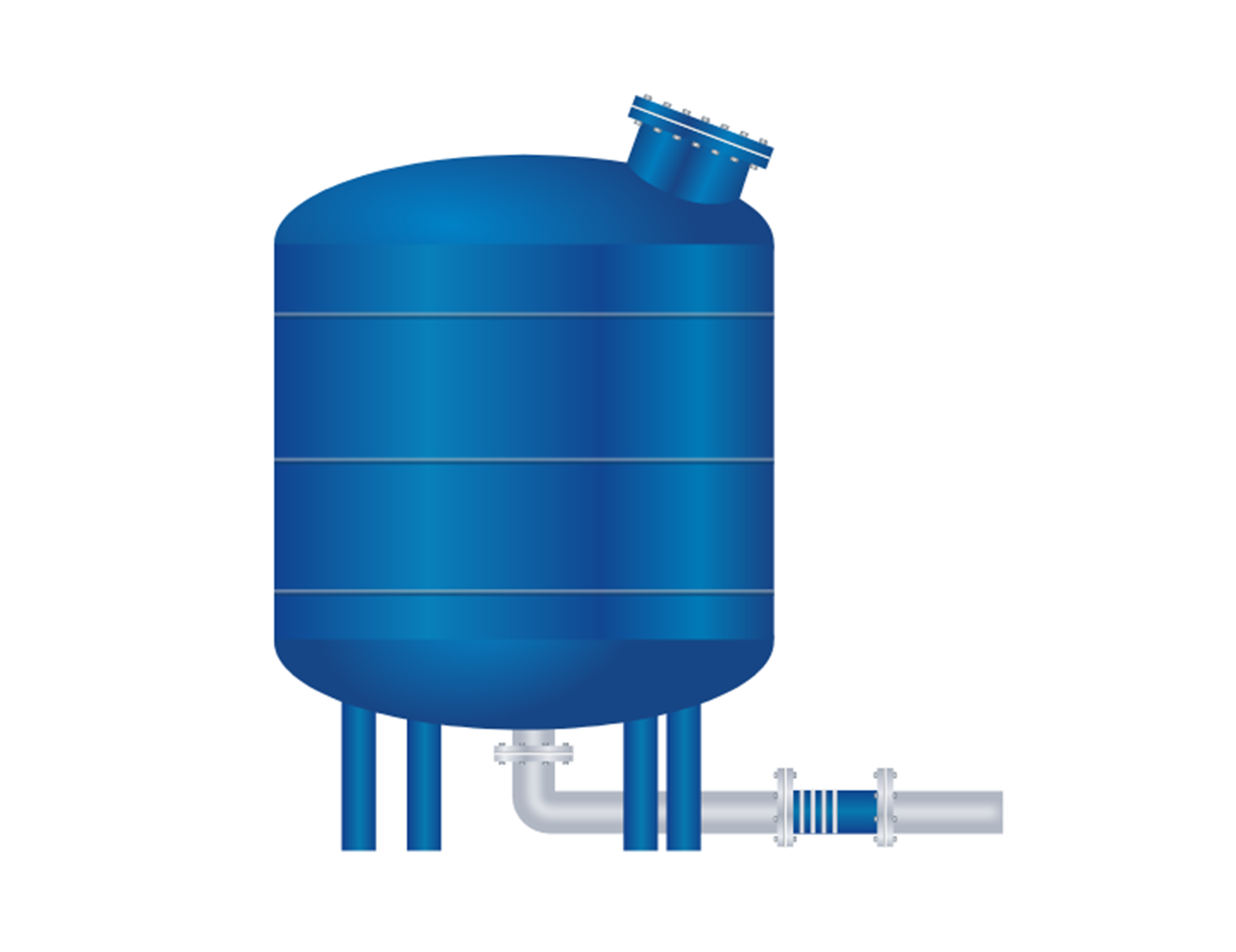
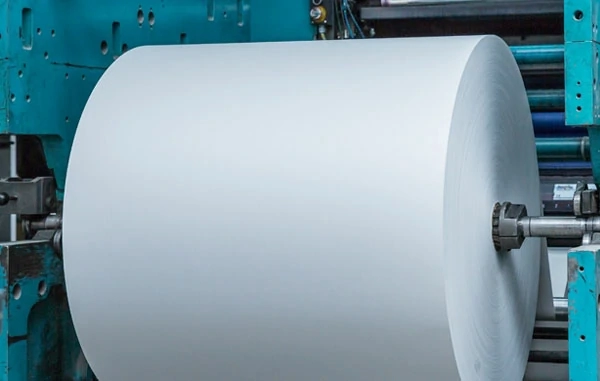
The pulp undergoes high-temperature bleaching in a tower using peroxides, ozone, or oxygen to get the right white color. The tower usually stays empty while the large amount of bleached pulp is dumped via a screw conveyor.
more info...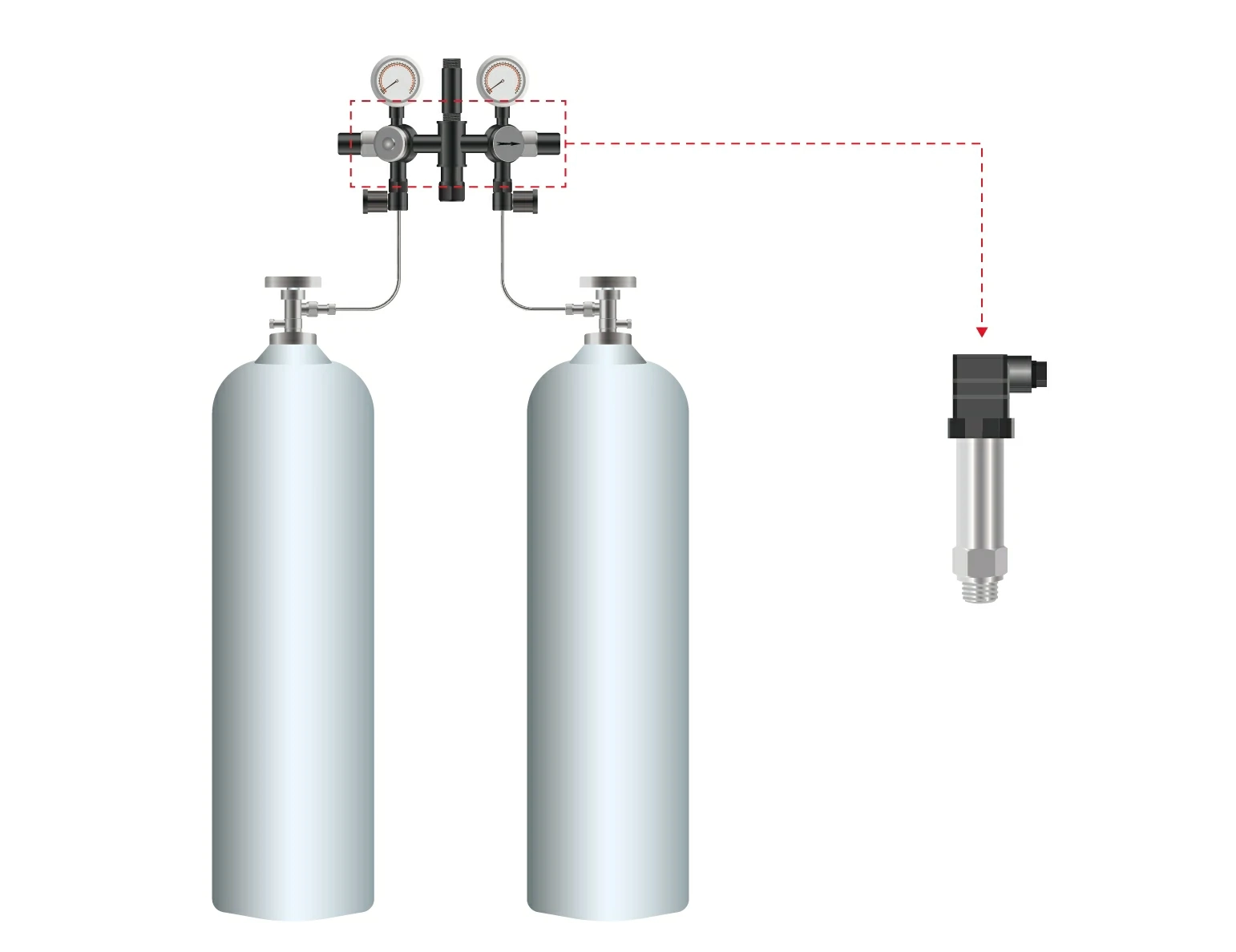
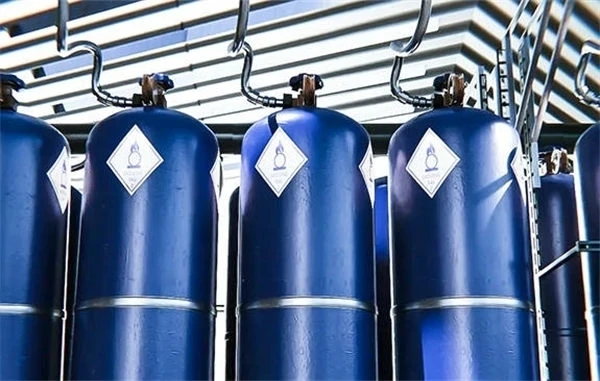
Pressure Transmitters are needed to monitor the pressure in the gas supply pipeline of the compressed gas cylinder to ensure safety.
more info...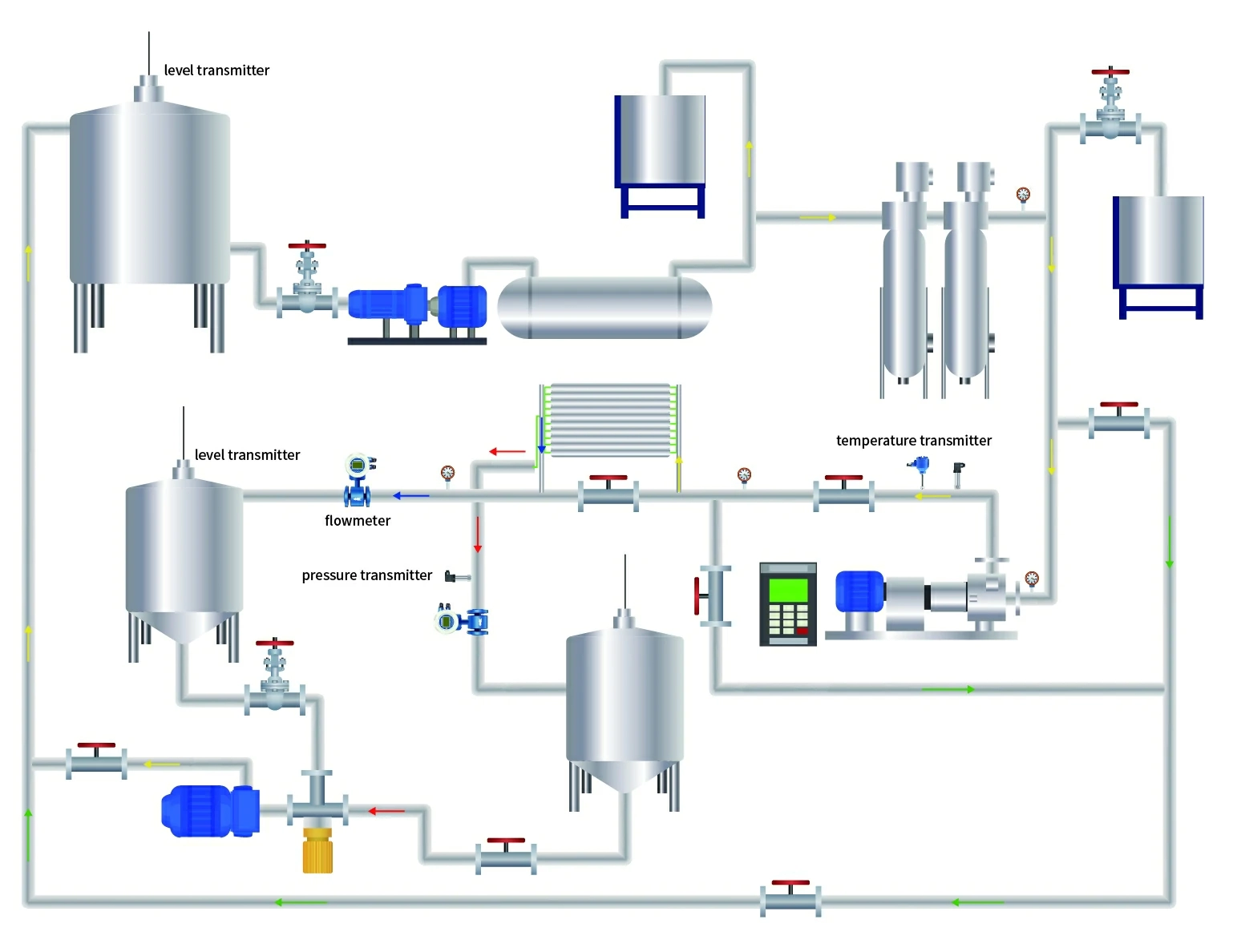
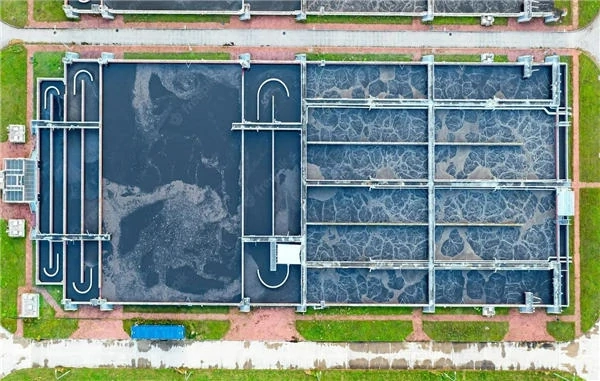
There is a shortage of freshwater resources in coastal or nearshore areas. Desalination is an important solution to water shortages in these areas. During the seawater desalination process, data such as flow rate and liquid level need to be monitored. Monitoring of these data ensures that the system is operating properly.
more info...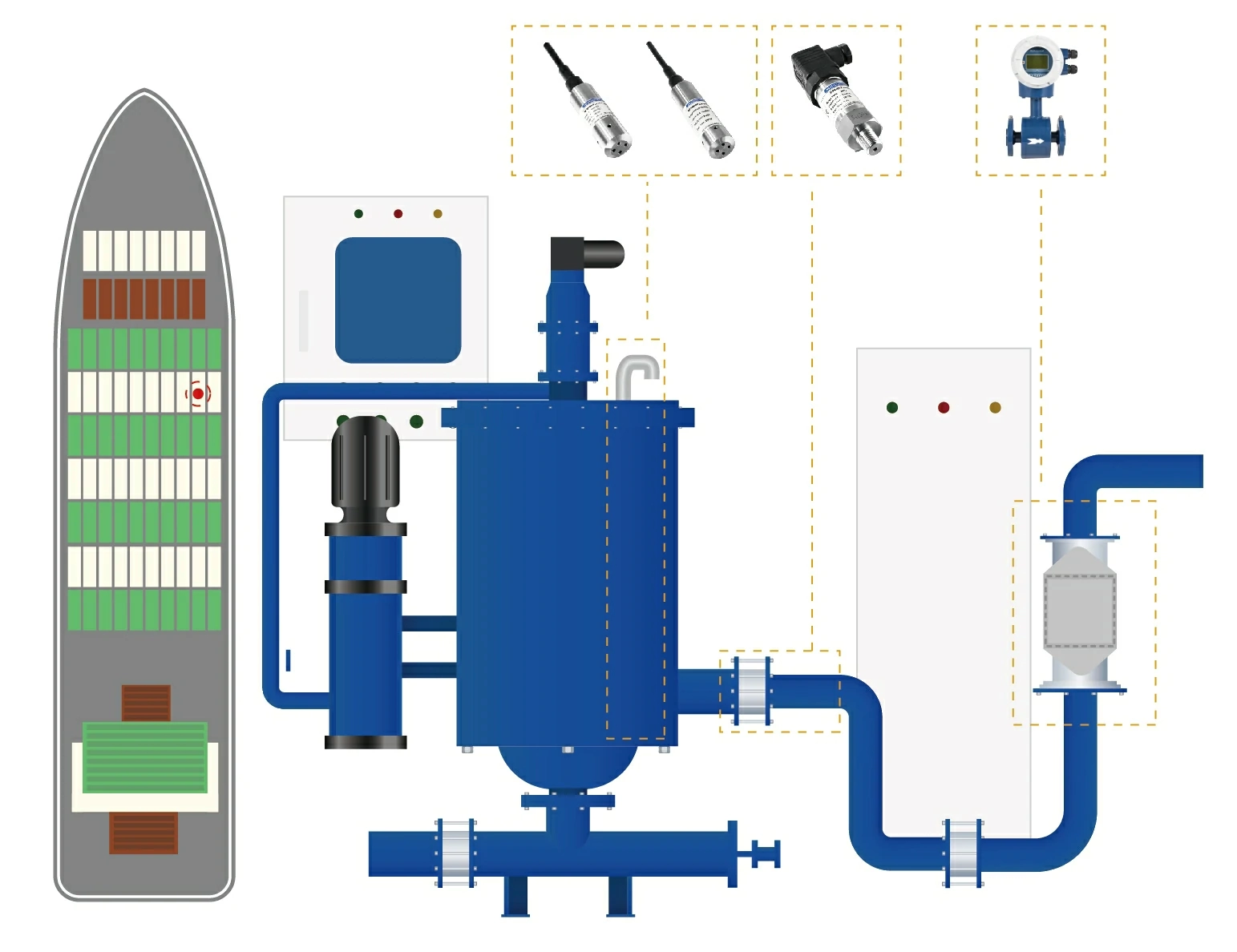
Ballast tank level monitoring achieves precise control of the ballast water system by using equipment such as electromagnetic flowmeters, level transmitters, and pressure transmitters to monitor data on inflow, tank liquid level, and pressure.
more info... Copyright © 2026 MICRO SENSOR CO., LTD