New Product Change Notice (PCN) effective Jan 1, 2025. MICROSENSOR appreciate your understanding.

-
Products
- Solutions
- Service Support
Pages
- Pressure Sensor
- Pressure Transmitter and Transducer
- What is a Pressure Transducer?
- Level Transmitter and Sensors
- Differential Pressure Sensors
- Differential Pressure Transmitters
- Level transmitter for Fuel and Chemical
- Water Pressure Sensors
- Tank Pressure Sensors and Transmitters
- Hydrostatic Level Measurement
- Oil Pressure Sensors and Transmitters
- Company


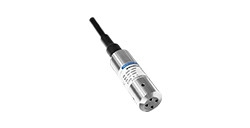
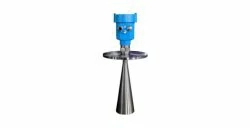
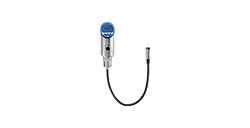
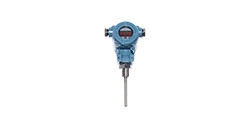







Basic Piezoresistive Pressure Sensors
The basic piezoresistive pressure sensors are specifically designed for enhanced compatibility with fluid pressure measurement. These fluid pressure sensors deliver a temperature-compensated, wide-range mV-output signal. With pressure ranges spanning from 70 to 1000 bar and from 1 to 1450 psi. The feature of higher sensitivity, smaller temperature error, and better long-term stability makes the pressure sensing element reliable and stable.
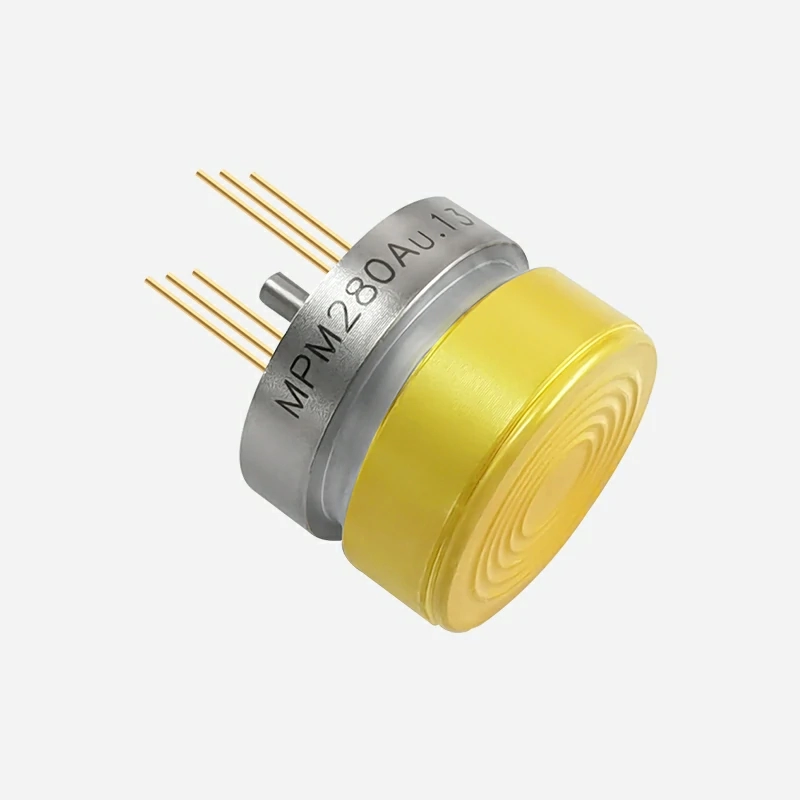
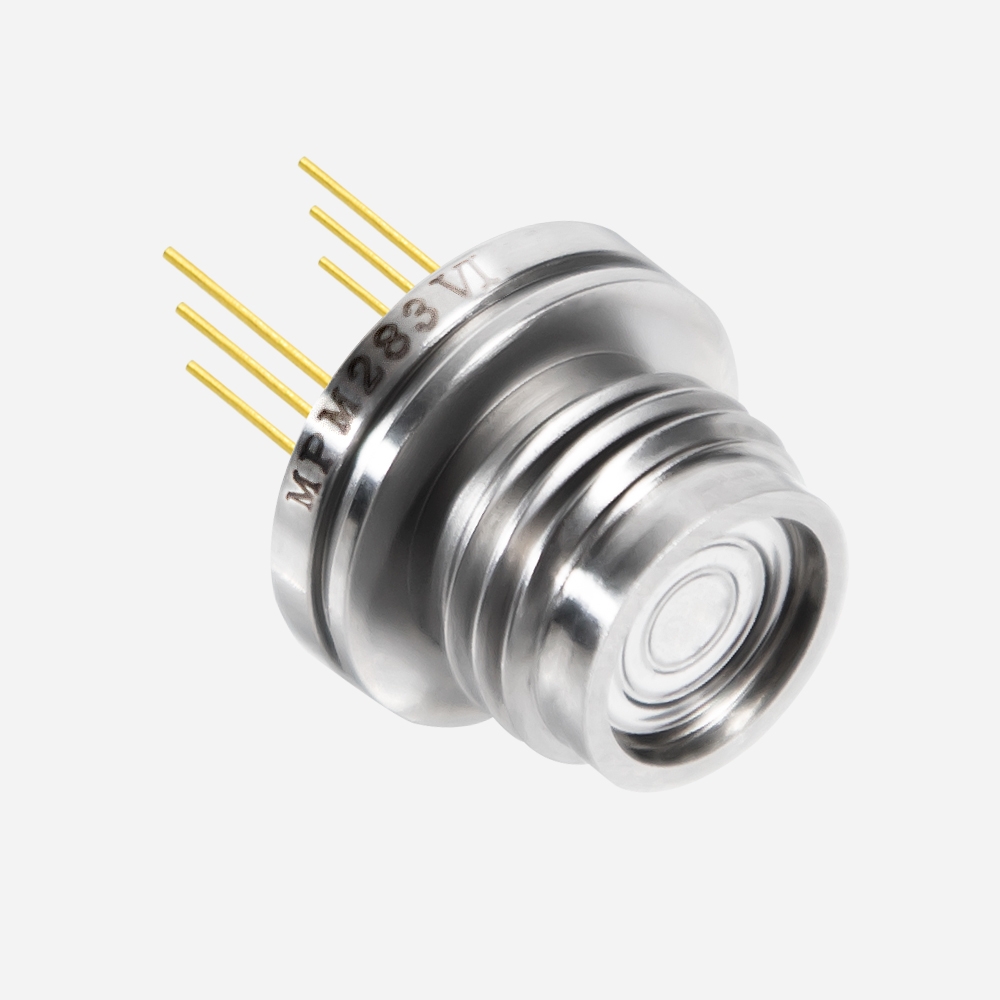
Thread Connected Pressure Sensor
[MPM283VI]
Φ12×13.5mm M14×1.5-6g
100Bar ‒ 1000Bar
Customizable
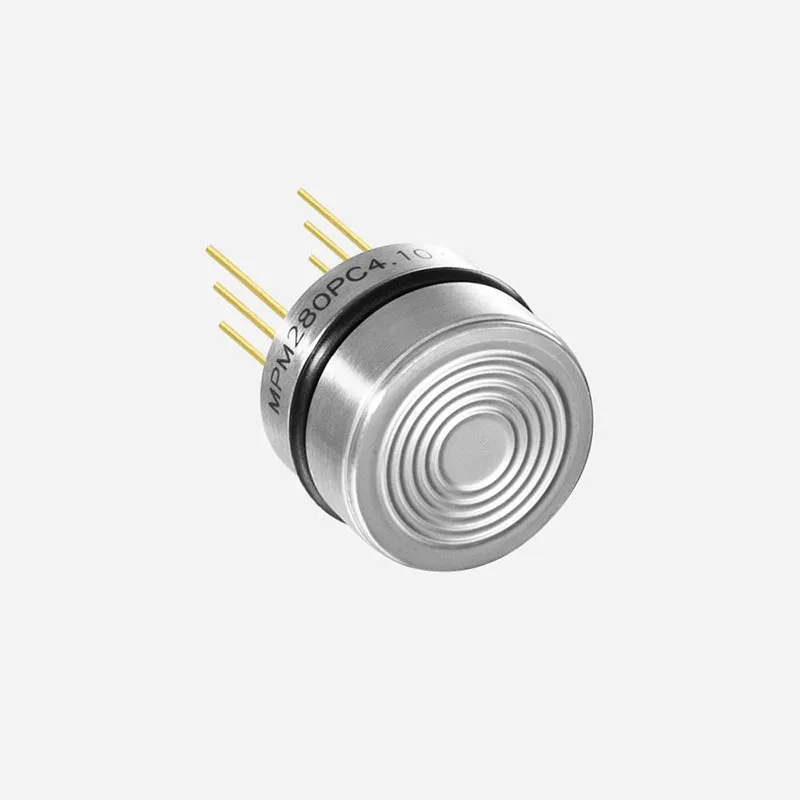
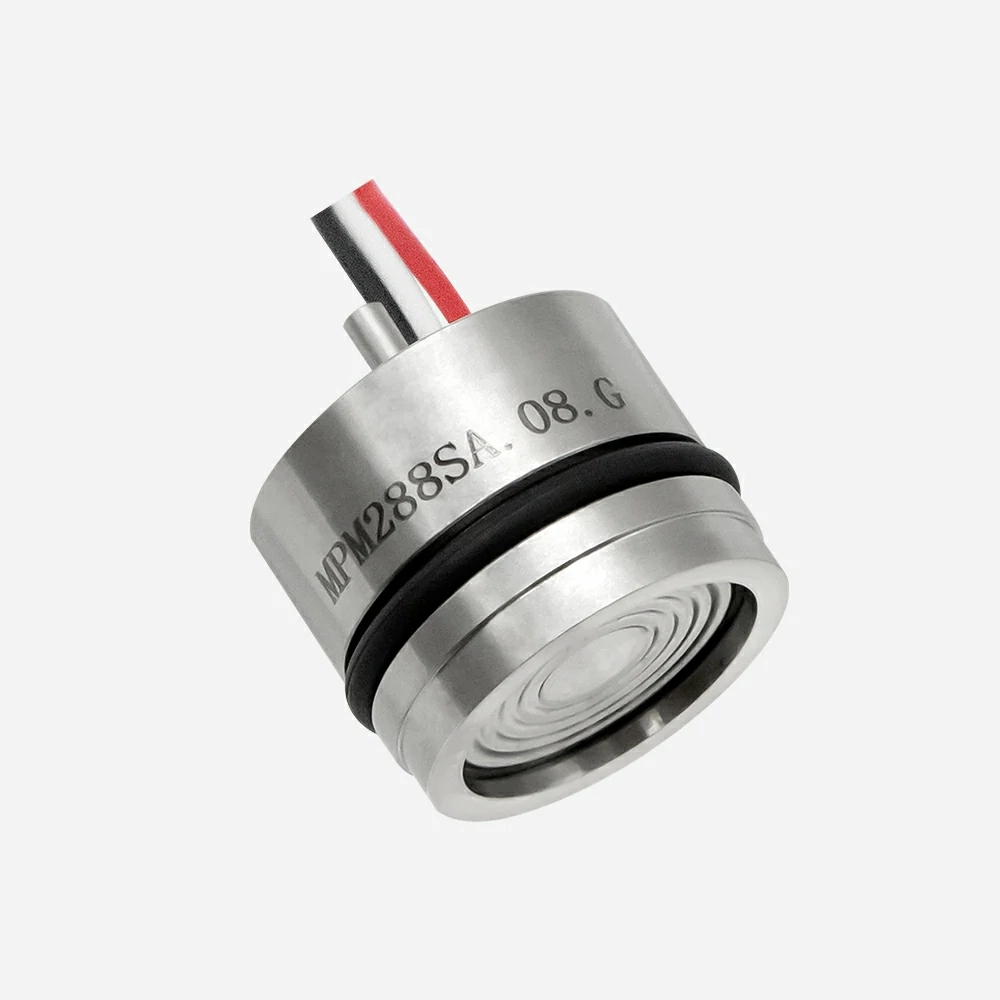
Voltage Output Pressure Sensor
[MPM288SA]
Range: -1bar…-0.35bar ~ 0bar ~0.35bar…700bar
No need for re-calibration for users, high precision
Customizable dimensions
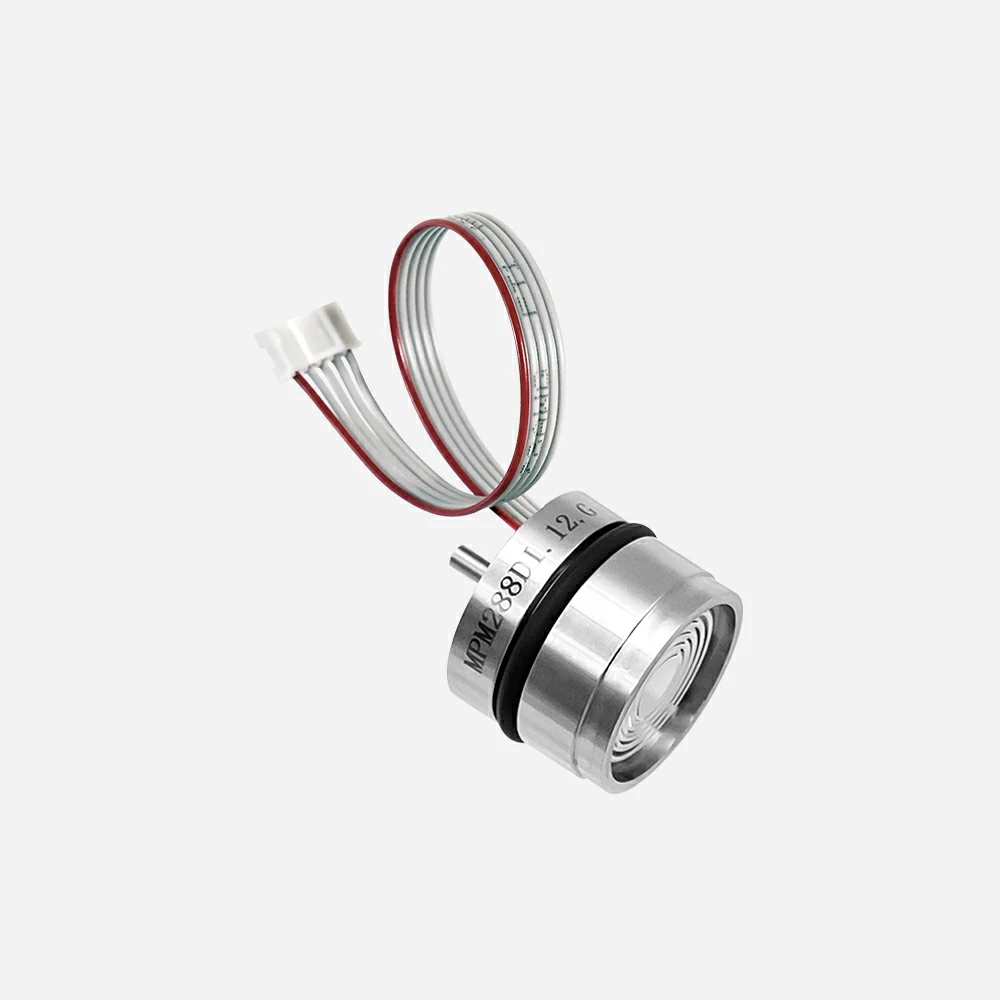
Digital Output Pressure Sensor
[MPM288DI]
Range: -1bar…0bar~0.35bar…35bar
Output signal: Digital I²C (pressure, temperature)

Medium-Isolated Pressure Sensor
[MPM281Pro]
High overpressure
-1bar...0bar∼70mbar...35bar
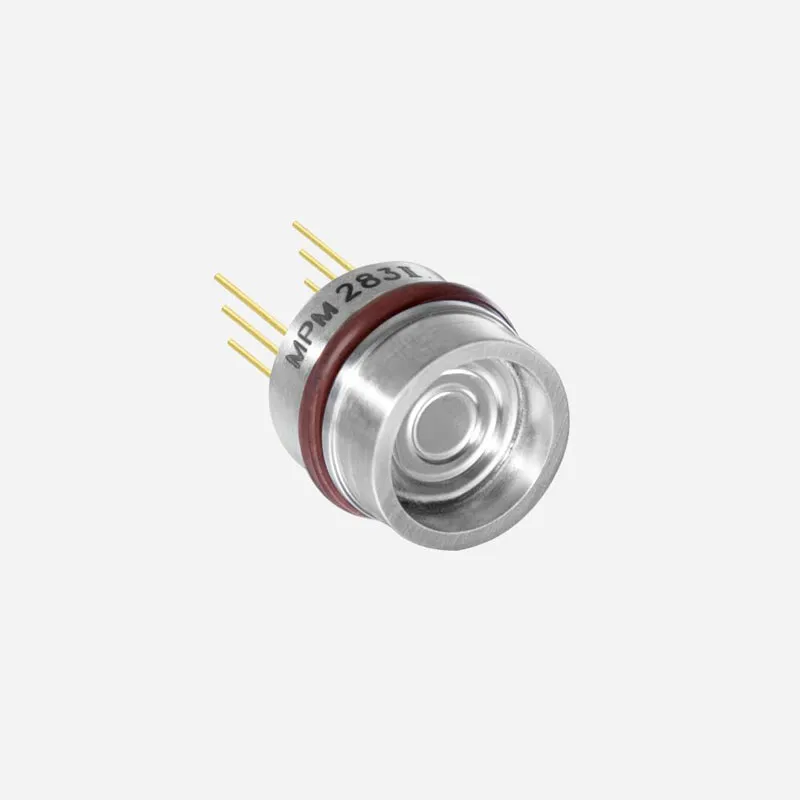
High Pressure Range Pressure Sensor
[MPM283II]
Φ12.6x10.5mm
0bar~1bar…1000bar
-10~80℃ Compensated

High Stable Pressure Sensor
[MPM281]
Constant current/voltage supply
-1bar...0bar∼70mbar...1000bar

Piezoresistive Pressure Sensor
[MPM281VC]
Constant voltage supply, standard output
0bar~0.2bar…1000bar
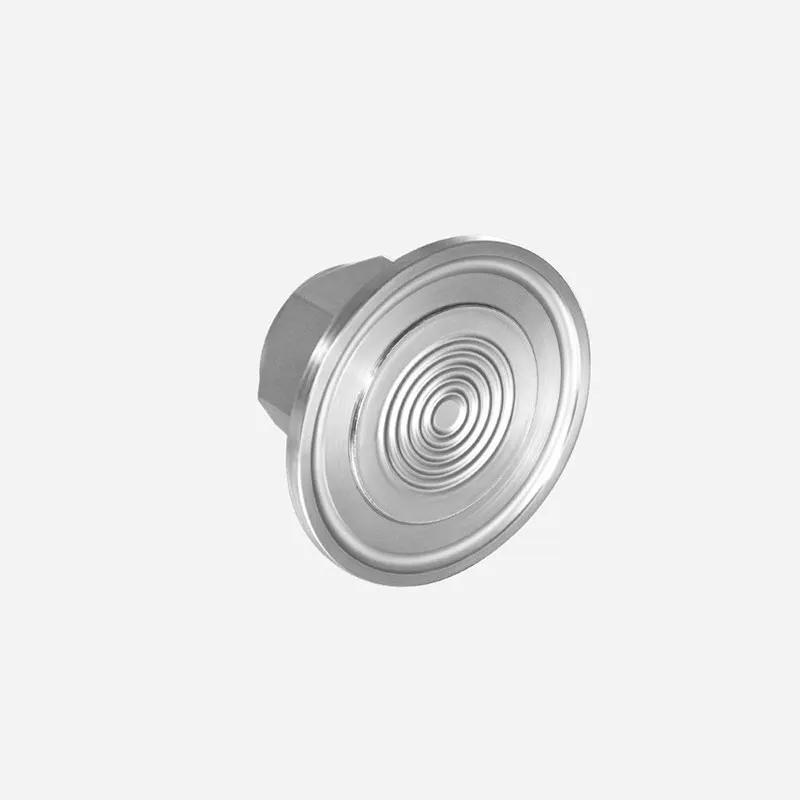
Hygienic Pressure Sensor
[MPM280PD1]
Φ32mm
0bar~0.35bar...35bar
Standard DN25 Clamp Connection
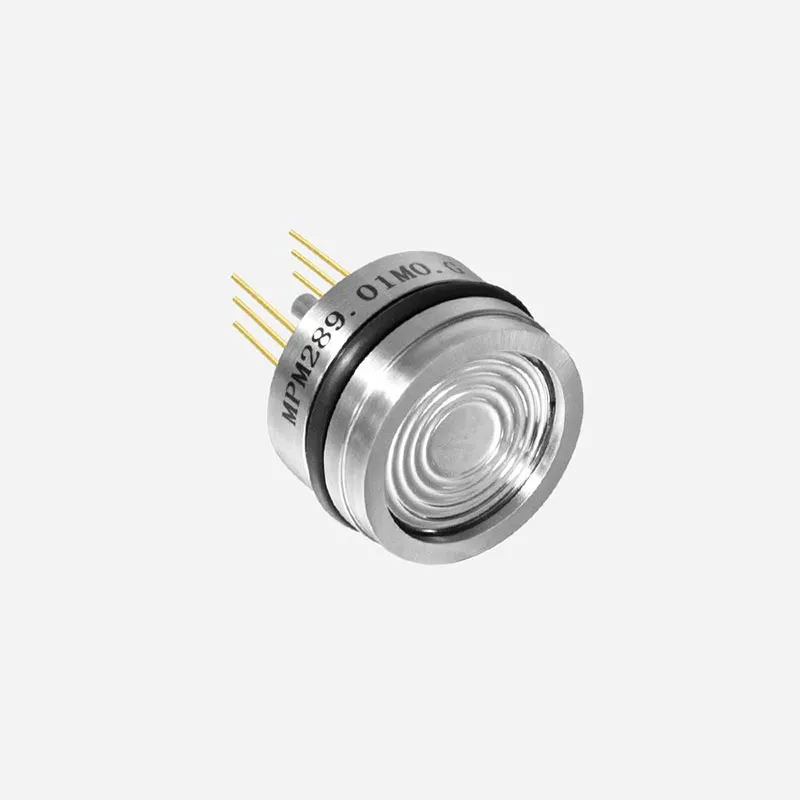
Piezoresistive Pressure Sensor
[MPM289]
Φ19×11.5mm
0bar~0.35bar…1000bar
0~70℃ Compensated
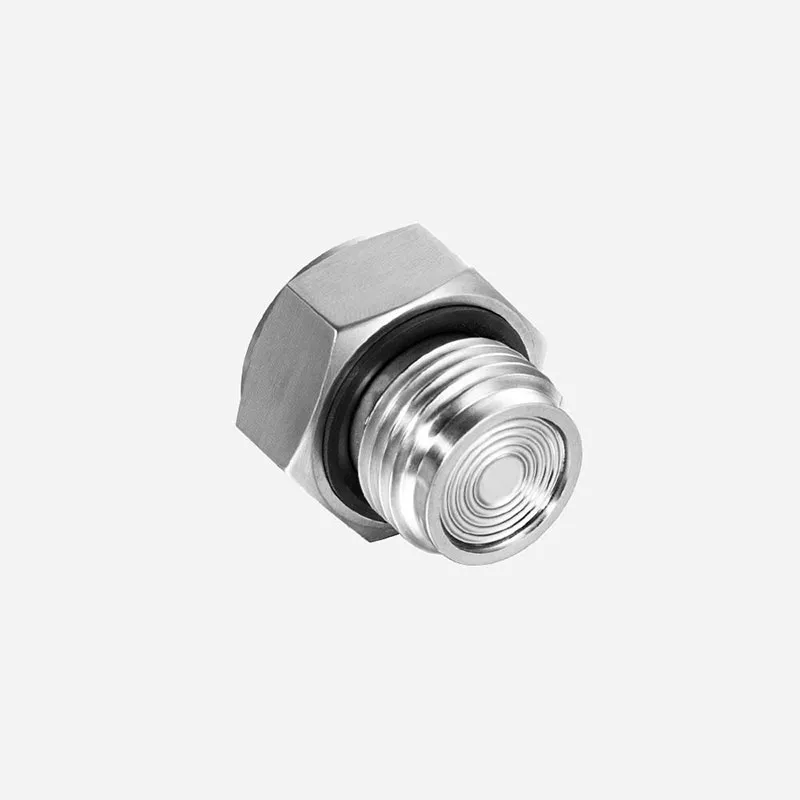
Flush Diaphragm Pressure Sensor
[MPM280P]
M20x1.5, R1/2, G1/2
0bar ~ 0.35bar…350bar
Flush Diaphragm
Small Size Pressure Sensors
Small-sized pressure sensors are ideal for applications with stringent dimensional requirements. The advantages of the small pressure elements include their small diameters and reduced heights, providing a compact size that saves space and meets the installation requirements of narrow spaces. Our small-diameter pressure sensors boast diameters ranging from Φ12.6mm to Φ19mm and heights as low as 6.5mm. The compact-size mini pressure sensors are perfect for seamless integration into medical equipment, hydraulic testing, handheld diagnostic devices, and compact industrial probes. Our small-diameter OEM sensor cores feature high media compatibility despite their reduced footprint.
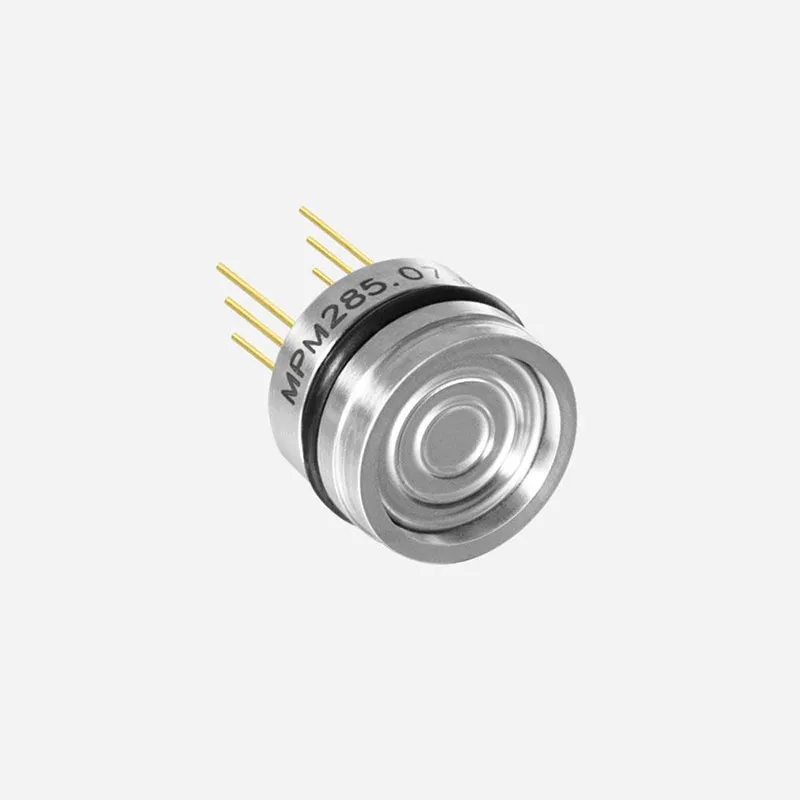
High Pressure Range Pressure Sensor
[MPM283II]
Φ12.6x10.5mm
0bar~1bar…1000bar
-10~80℃ Compensated
Anti-corrosive Pressure Sensors
Anti-corrosive pressure sensors are specifically designed for measuring pressure in corrosive liquids, fluids, and gases. Industries such as chemical processing, oil and gas, marine, and wastewater treatment often exposure to corrosive substances. Anti-corrosive pressure elements withstand a certain level of corrosive effects. With diaphragm materials such as Tantalum, Titanium, Hastelloy C, and stainless steel 316L, these sensors are well-suited for measuring pressure in challenging environments like seawater or corrosive media, including acid etching, stress corrosion, alkalis, chlorides, chlorine compounds, nitric acid, and sulfuric acid, among others.
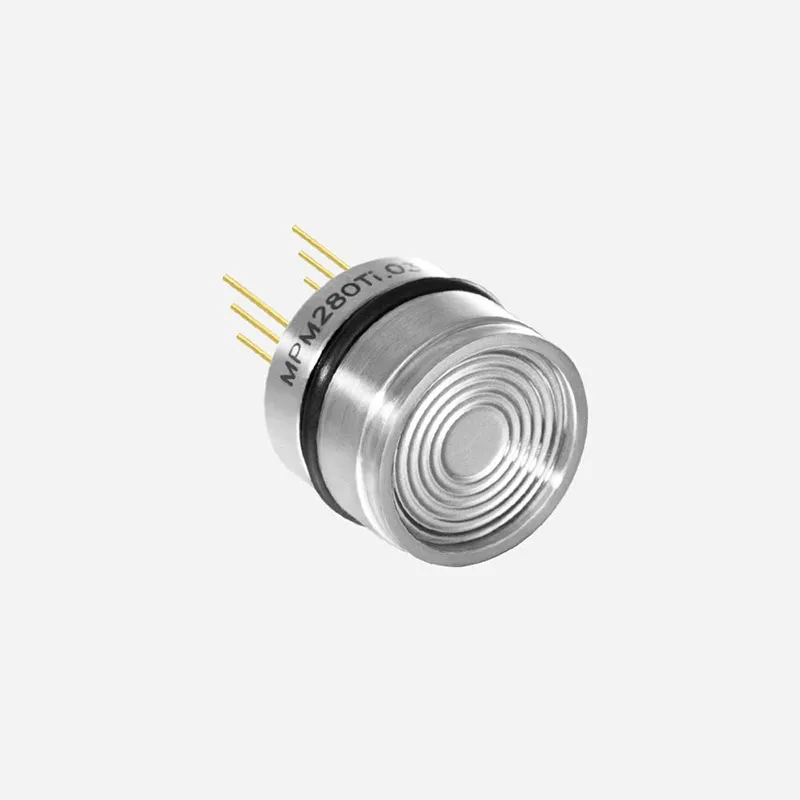
Anti-corrosive Pressure Sensor
[MPM280Ti]
Φ19mm
-1bar...0bar~1bar…700bar
Titanium Diaphragm
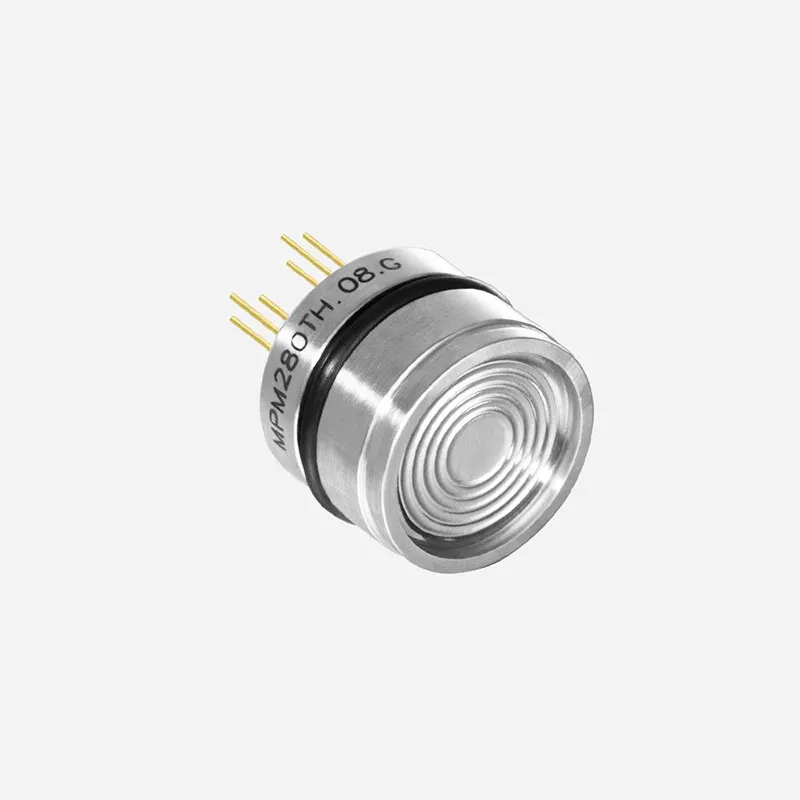
Anti-corrosive Pressure Sensor
[MPM280TH]
Φ19mm
-1bar...0bar~1bar…700bar
Tantalum Diaphragm
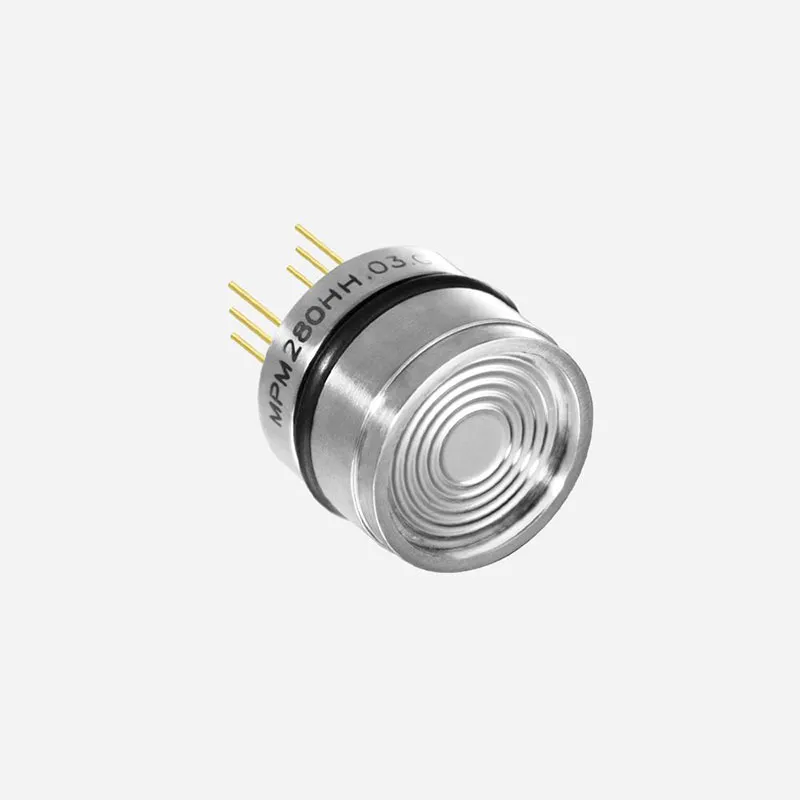
Anti-corrosive Pressure Sensor
[MPM280HH]
Φ19mm
-1bar...0bar~1bar...350bar
Hastelloy C Diaphragm
Differential Pressure Sensors
Differential pressure elements typically consist of two pressure ports and two sensing elements that measure the pressure difference between the two ports. They are available in various configurations and are compatible with different media types, making them versatile for a broad range of applications. The differential pressure sensor ranges from 350 mbar to 35 bar. Featuring optional external resistors for temperature compensation and an all-welded structure, it is suitable for various fluid media. These water differential pressure sensors and differential air pressure sensors are widely used in industrial process control and other related fields for accurate differential pressure measurement.
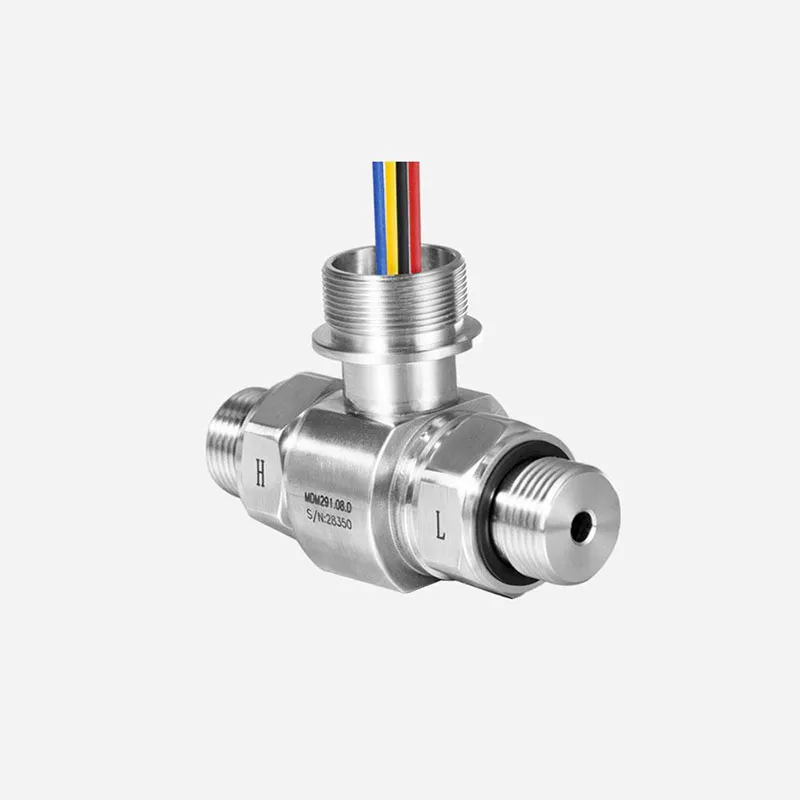
Water Differential Pressure Sensor
[MDM291]
0bar~0.35bar…20bar
Fully Welded
Differential pressure sensor
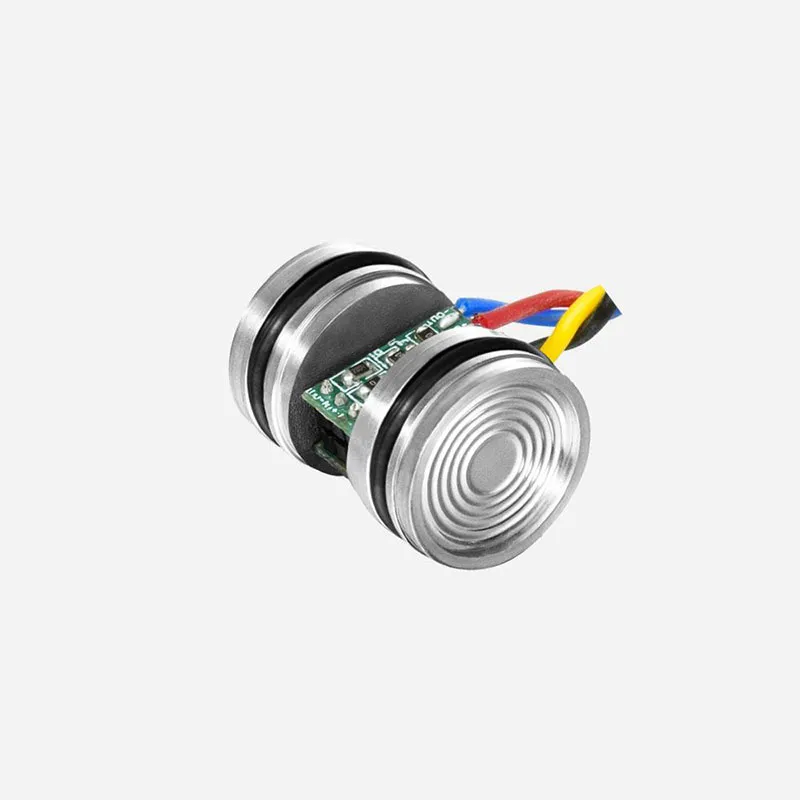
Differential Pressure Sensor
[MDM290]
Φ19×26mm
0.35Bar ‒ 35Bar
Laser Trimmed Thick-film Circuit Board
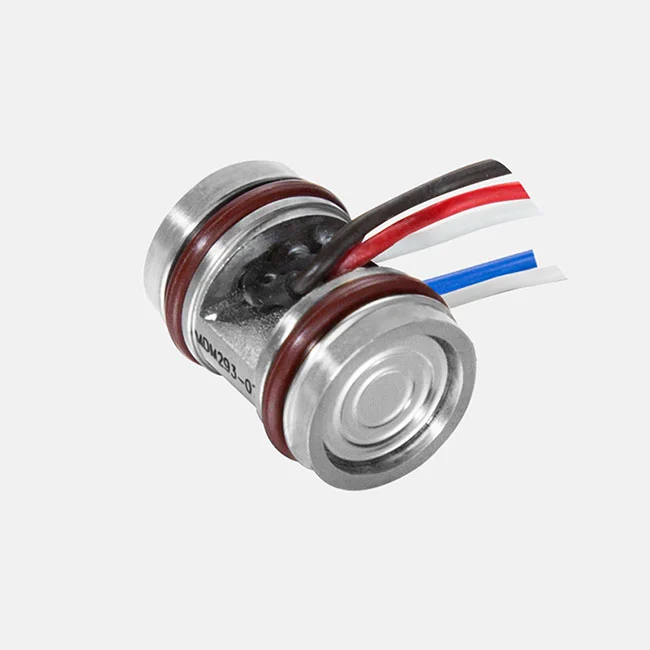
Differential Pressure Sensor
[MDM293]
Φ12.6×18mm
2Bar ‒ 35Bar
Compensated temperature: 0~70℃
What is a Pressure Sensor?
In MICROSENSOR, the pressure sensor is the piezoresistive core sensing element. It is an isolated, oil-filled sensing element designed to convert mechanical pressure into a measurable electrical signal. Unlike finished pressure transmitters with external housings and displays, a sensor core is the fundamental, high-precision component designed to be integrated into your own specialized systems or equipment. These industrial-grade elements are ruggedly packaged—typically housed in stainless steel to ensure compatibility with various corrosive gases and liquids.
Piezoresistive Pressure Sensors Working Principle
• Piezoresistive Effect
Piezoresistive pressure sensors operate based on the piezoresistive effect. When pressure is applied to the diaphragm, it deforms, causing mechanical strain in the piezoresistive elements. The strain leads to a change in the resistance of the piezoresistive elements. This change in resistance is proportional to the applied pressure.
• Wheatstone Bridge Configuration
The Wheatstone bridge circuit measures the change in resistance. The Wheatstone bridge consists of four resistors, with the piezoresistive elements acting as two of the resistors. When pressure is applied, the resistance change in the piezoresistive elements unbalances the bridge circuit.
• Signal Conversion
The unbalanced bridge produces a small voltage signal (typically in the range of millivolts, mV). This raw analog signal is directly proportional to the amount of pressure applied. In a finished pressure transmitter, this millivolt signal is converted to a standard industrial output like 4-20mA or 0.5-4.5V.
Pressure Sensor Advantages of MICROSENSOR
• Automation Manufacturing Equipment
The automated production line in key processes such as bonding, diaphragm welding, oil filling, sealing, and compensation ensures stability and consistency and meets customers'order needs in different batches.
• Mature Production Technology
The level of manufacturing technology has a crucial impact on product performance. As a pressure sensor element manufacturer with decades of production experience, Micro Sensor ensures the accuracy and reliability of pressure elements through the Pressure Cycling and Aging, Automatic Compensation Test System, and Laser Trimming.
Micro Sensor has its piezoresistive pressure sensor manufacturing site, realizing digitization, automation, and flexibility, and manufacturing series products, including customized MPM280 Series, high-performance MPM281 Series, and general MPM288 Series, which conform to the highest quality criteria. By choosing our OEM pressure sensor elements, you gain a strategic supply partner committed to reducing your R&D cycles and enhancing the competitive edge of your product portfolios.
How to Choose A Suitable Pressure Sensor?
Choosing a suitable pressure sensor requires determining the following factors:
• Pressure Type: Pressure type can be divided into gauge pressure (G), sealed gauge pressure (SG), absolute pressure (A), and differential pressure (D). The main difference is that different pressure points are used as reference points for the sensor's zero point. Application requirements and environmental conditions are important considered factors.
• Pressure Range: Make sure the pressure range provided covers the pressures likely to occur in the working application. It's suggested that the normal working pressure should be near the middle of the selected measurement range. On the one hand, this can maximize accuracy and reduce errors. On the other hand, possible accidental pressure changes will not cause the sensing element to be overloaded and damaged.
• Size: The installation environment determines the size of pressure elements, such pipes diameter, equipment size, etc. If you cannot determine the size of the installation space, it will cause installation problems for the pressure element. Micro Sensor provides ф19mm, ф17mm, ф15mm, ф12.6mm and other optional diameters. The height is also optional for different applications, such as 6.5mm and 11.5mm. Customized sizes are also available upon customer request.
• Operating Temperature: The working temperature range refers to the pressure sensor that can work without failure at a certain temperature. Some pressure elements' operating temperature range can reach -40~125℃.
• Special Working Conditions: Special working conditions are mainly the requirements of the installation environment. If there are factors such as high temperature, high pressure, corrosive media in the environment, you need to choose a pressure sensor with corresponding materials and protective measures. According to special working conditions, Micro Sensor will analyze the actual needs of customers and provide the most suitable customized product solutions.
Frequently Asked Questions
What is the difference between an OEM pressure sensor element and a pressure transmitter?
A: At MICROSENSOR, an OEM pressure sensor element is the encapsulated sensing component, typically a stainless steel capsule, that provides a millivolt (mV) output. It delivers long-term stability for a range of OEM applications. A pressure transmitter is a finished instrument that includes the sensor element plus conditioning electronics to provide standard industrial outputs like 4-20mA or 0-10V, housed in a complete protective casing.
Do your OEM pressure capsules include temperature compensation?
A: Our high-precision pressure capsules come with integrated temperature compensation circuits. This ensures accuracy across a wide temperature range, typically from -20°C to +85°C, minimizing thermal zero and span shifts.
Can these pressure-sensing elements be used with corrosive media?
A: Yes. For applications involving harsh chemicals or seawater, we offer corrosion-resistant materials such as Tantalum, Hastelloy C, or specialized coatings. Our standard 316L stainless steel isolated diaphragms are suitable for most non-corrosive liquids and gases.
Still Have Questions? Our application engineers are ready to assist you. Contact us for a deep dive into your project specifications.
Resources
-

Join MICROSENSOR at ECOMONDO 2026
As an international event dedicated to the green and circular economy, ECOMONDO brings together businesses, technology providers, researchers, and industry stakeholders to explore solutions for a more sustainable future. MICROSENSOR wi...
-

Reliable Pressure Measurement for Highly Corrosive Fluorochemical Processes
Pressure measurement plays an important role in fluorochemical production, but conventional pressure instruments may face significant challenges when exposed to highly corrosive media.Hydrofluoric acid (HF), in particular, requires car...
-

MICROSENSOR to Exhibit at WETEX 2026 in Dubai
Visit MICROSENSOR at WETEX 2026 and let's explore new opportunities for reliable measurement, smarter industrial operations, and sustainable development. We look forward to meeting you in Dubai!
-

Meet MICROSENSOR at FENASAN 2026
As Latin America’s largest and most influential trade fair for sanitation and environmental engineering, FENASAN 2026 brings together global experts, industry leaders, and innovators to address critical challenges in water resource manageme...
-

Measurement Challenges and Solutions in the Fluorochemical Industry
The fluorochemical industry supports a wide range of applications, from data center coolant and fluoropolymers to battery materials and electronic chemicals. At the same time, many fluorochemical processes involve corrosive, toxic or o...
-

Beneath the Surface: How the Deep-Sea Pressure Transmitter Powers Precision Subsea Navigation
Engineered to withstand extreme subsea hydrostatic pressure, freezing temperatures, highly corrosive saline environments, and long-duration deployments, the MPM4779 Deep-Sea Pressure Transmitter features key breakthroughs in precision stabi...
 Copyright © 2026 MICRO SENSOR CO., LTD


